Wednesday, July 12, 2017

Use of Hexagonal Boron Nitride in Automotive Friction Materials

The major goal of this research study was to address the possible replacement of copper and selected solid lubricants by environmentally friendly hexagonal boron nitride (h-BN). Model friction samples were manufactured and subjected to friction assessment and screening tests (FAST) and full scale automotive brake dynamometer (Dyno) tests. The SAE recommended J2430 procedure provided the necessary data for the Brake Effectiveness Evaluation Procedure (BEEP) by Brake Manufacturers' Council. The obtained results indicate that the overall coefficient of friction, as detected in FAST, increased with respect to baseline with a 1:1 substitution of h-BN for either Cu or metal sulfides (Sb₂ S₃ and MoS₂). The thickness losses in FAST tests were similar or lower when h-BN was being used to replace copper and metal sulfides, except for the HCR type of h-BN. Dyno (SAE J2430) results indicated that the friction level of h-BN modified samples was similar in respect to the baseline material when copper or metal sulfides were replaced by h-BN. The detected wear rates of h-BN modified samples in Dyno tests were higher when compared to the baseline material. Five out of eight samples containing h-BN meet all criteria in BEEP; the other three failed in the hot performance. The test results indicated that certain types of h-BN can be considered as prospective materials for formulations of environmentally friendly friction material.
For details contact Innovative Growth Enterprises 9910899409

Saturday, September 3, 2016

Boron Nitride Coatings on Graphite Surfaces to Protect from Oxidation

open in overlay
For More details contact +919910899409

Saturday, August 6, 2016

Hexagonal Boron Nitride-Based Electrolyte Composite for Li-Ion Battery Operation from Room Temperature to 150 °C

Battery components can take the heat

Rice University team creates robust ‘white graphene’ electrolyte and separator for lithium-ion batteries 

HOUSTON – (April 11, 2016) – Rice University materials scientists have introduced a combined electrolyte and separator for rechargeable lithium-ion batteries that supplies energy at usable voltages and in high temperatures.
An essential part of the nonflammable, toothpaste-like composite is hexagonal boron nitride (h-BN), the atom-thin compound often called “white graphene.”
The Rice team led by materials scientist Pulickel Ajayan said batteries made with the composite functioned perfectly in temperatures of 150 degrees Celsius (302 degrees Fahrenheit) for more than a month with negligible loss of efficiency. Test batteries consistently operated from room temperature to 150 C, setting one of the widest temperature ranges ever reported for such devices, the researchers said.
“We tested our composite against benchmark electrodes and found that the batteries were stable for more than 600 cycles of charge and discharge at high temperatures,” said lead author Marco-Túlio Rodrigues, a Rice graduate student.
The results were reported in Advanced Energy Materials.
Last year members of a Rice and Wayne State University team introduced an electrolyte made primarily of common bentonite clay that operated at 120 C. This year the team validated its hunch that h-BN would serve the purpose even better.
Rodrigues said batteries with the new electrolyte are geared more toward industrial and aerospace applications than cellphones. In particular, oil and gas companies require robust batteries to power sensors on wellheads. “They put a lot of sensors around drill bits, which experience extreme temperatures,” he said. “It’s a real challenge to power these devices when they are thousands of feet downhole.”
“At present, nonrechargeable batteries are heavily used for the majority of these applications, which pose practical limitations on changing batteries on each discharge and also for disposing their raw materials,” said Rice alumnus and co-author Leela Mohana Reddy Arava, now an assistant professor of mechanical engineering at Wayne State.
Hexagonal boron nitride is not a conductor and is not known to be an ionic conductor, Rodrigues said. “So we didn’t expect it to be any obvious help to battery performance. But we thought a material that is chemically and mechanically resistant, even at very high temperatures, might give some stability to the electrolyte layer.”
He said boron nitride is a common component in ceramics for high-temperature applications. “It’s fairly inert, so it shouldn’t react with any chemicals, it won’t expand or contract a lot and the temperature isn’t a problem. That made it perfect.”
The material eliminates the need for conventional plastic or polymer separators, membranes that keep a battery’s electrodes apart to prevent short circuits. “They tend to shrink or melt at high temperatures,” said Rice postdoctoral researcher and co-author Hemtej Gullapalli.
Tests went better than the researchers anticipated. Though inert, the mix of h-BN, piperidinium-based ionic liquid and a lithium salt seemed to catalyze a better reaction from all the chemicals around it.
“It took almost two years to confirm that even though the boron nitride, which is a very simple formulation, is not expected to have any chemical reaction, it’s giving a positive contribution to the way the battery works,” Gullapalli said. “It actually makes the electrolyte more stable in situations when you have high temperature and high voltages combined.”
He noted all the electrolyte’s components are nonflammable. “It’s completely safe. If there’s a failure, it’s not going to catch fire,” he said.
“Our group has been interested in designing energy storage devices with expandable form factors and working conditions,” Ajayan said. “We had previously designed paper and paintable battery concepts that change the fundamental way power delivery can be imagined. Similarly, pushing the boundaries of working temperature ranges is very interesting. There is no commercial battery product that works above about 80 C. Our interest is to break this barrier and create stable batteries at twice this temperature limit or more.”
Co-authors are Rice graduate student Kaushik Kalaga and Wayne State postdoctoral fellow Ganguli Babu. Ajayan is chair of Rice’s Department of Materials Science and NanoEngineering, the Benjamin M. and Mary Greenwood Anderson Professor in Engineering and a professor of chemistry.
The University of Texas at Austin through the Advanced Energy Consortium supported the project.
- See more at: http://news.rice.edu/2016/04/11/battery-components-can-take-the-heat/#sthash.sL1mI0CW.dpuf

Friday, July 22, 2016


Thermally Conductive Flexible Compounds with Boron Nitride CoolFX Powders


Styrenic TPE compounds can be formulated with a 65o Shore A hardness and different levels of additives, up to 30% (weight), to modify their thermal properties. As shown in the table below, using BN had the greatest effect, with a 50% improvement in the in- plane thermal conductivity of the compound. 


It is observed that the thermal conductivity is not improved in the cross-direction (through plane), indicating that the thermal conductivity is strongly affected by the orientation of the sample and the anisotropic structure of BN. On the contrary, it is possible to define an optimal composition (30% BN) to maximize thermal conductivity in the in-plane direction.


 Another important effect of BN is related to the flowability of the compounds. It can be observed that the melt flow of the samples formulated with BN present higher level values, indicating that the additive is acting as an internal lubricant of the material without affecting the rest of the material’s properties (for example the hardness).


    Note: Test data. Actual results may vary. 


Very favorable results in abrasion resistance of the compounds are also observed, even at high loading levels (30 wt% BN). 


Thermally conductive TPE compounds can be formulated for use in applications where heat transfer is an important factor, for instance in electronic housing sealing, soft electronic sensors, soft security sensors, etc. By using specific additives, the heat distribution of the different TPE compounds can be modified to reach the desired thermal and mechanical performance.
 page6image8720  
The use of BN from Momentive Performance Materials, in particular the fillers CoolFX Hybrid filler, can provide thermal conductivity performance and allow easily colourable compounds, as the powders are white. In this study, CoolFX 1022 Filler was evaluated, a proprietary powder developed to provide the best balance of thermal and mechanical properties and cost.

CoolFX hybrid fillers offer TPE formulators a very interesting tool for broadening the final applications of their materials and for reaching functional properties in demanding applications like flexible electronic housings, heating pads, multi-component pieces, thermal conductive sheets, and others. 


*CoolFX is a trademark of Momentive Performance Materials Inc. 


I.Alonso, Dynasol Elastómeros S.A.
Dr. C. Raman, Momentive Performance Materials Quartz Inc. 

For more details contact: Innovative Growth Enterprises, Ludhiana. Mob: 9910899409

Friday, February 26, 2016

Researchers Discover New Phase of Boron Nitride and a New Way to Create Pure c-BN

Researchers at North Carolina State University have discovered a new phase of the material boron nitride (Q-BN), which has potential applications for both manufacturing tools and electronic displays. The researchers have also developed a new technique for creating cubic boron nitride (c-BN) at ambient temperatures and air pressure, which has a suite of applications, including the development of advanced power grid technologies.
“This is a sequel to our Q-carbon discovery and converting Q-carbon into diamond,” says Jay Narayan, the John C. Fan Distinguished Chair Professor of Materials Science and Engineering at NC State and lead author of a paper describing the research. “We have bypassed what were thought to be the limits of boron nitride’s thermodynamics with the help of kinetics and time control to create this new phase of boron nitride.
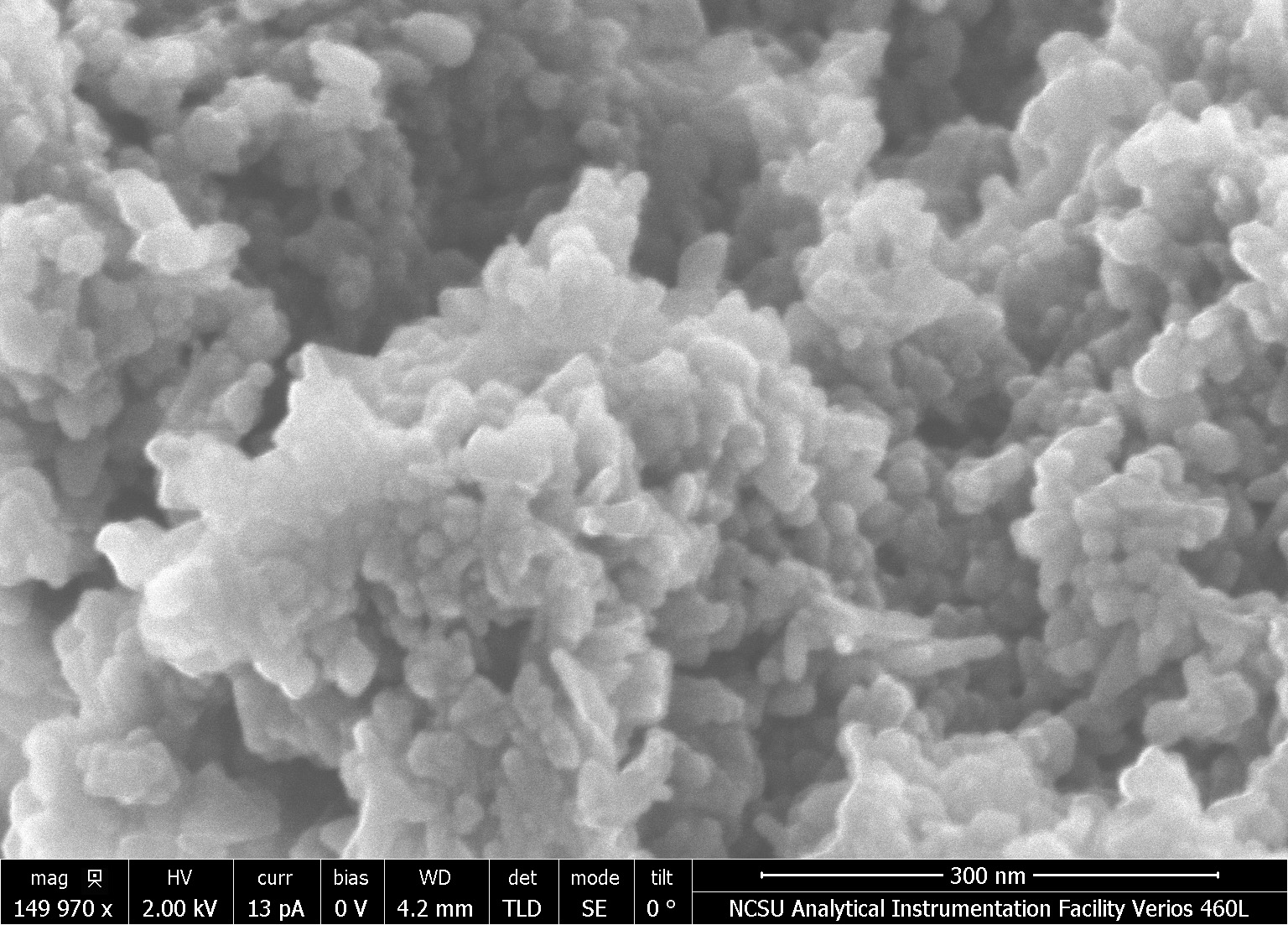
c-BN nanocrystallites. Image credit: Anagh Bhaumik. Click to enlarge.
“We have also developed a faster, less expensive way to create c-BN, making the material more viable for applications such as high-power electronics, transistors and solid state devices,” Narayan says. “C-BN nanoneedles and microneedles, which can be made using our technique, also have potential for use in biomedical devices.” C-BN is a form of boron nitride that has a cubic crystalline structure, analogous to diamond.
Early tests indicate that Q-BN is harder than diamond, and it holds an advantage over diamond when it comes to creating cutting tools. Diamond, like all carbon, reacts with iron and ferrous materials. Q-BN does not. The Q-BN has an amorphous structure, and it can easily be used to coat cutting tools, preventing them from reacting with ferrous materials.
“We have also created diamond/c-BN crystalline composites for next-generation high-speed machining and deep-sea drilling applications,” Narayan says. “Specifically, we have grown diamond on c-BN by using pulsed laser deposition of carbon at 500 degrees Celsius without the presence of hydrogen, creating c-BN and diamond epitaxial composites.”
The Q-BN also has a low work function and negative electron affinity, which effectively means that it glows in the dark when exposed to very low levels of electrical fields. These characteristics are what make it a promising material for energy-efficient display technologies.
To make Q-BN, researchers begin with a layer of thermodynamically stable hexagonal boron nitride (h-BN), which can be up to 500-1000 nanometers thick. The material is placed on a substrate and researchers then use high-power laser pulses to rapidly heat the h-BN to 2,800 degrees Kelvin, or 4,580 degrees Fahrenheit. The material is then quenched, using a substrate that quickly absorbs the heat. The whole process takes approximately one-fifth of a microsecond and is done at ambient air pressure.
By manipulating the seeding substrate beneath the material and the time it takes to cool the material, researchers can control whether the h-BN is converted to Q-BN or c-BN. These same variables can be used to determine whether the c-BN forms into microneedles, nanoneedles, nanodots, microcrystals or a film.
“Using this technique, we are able to create up to a 100- to 200-square-inch film of Q-BN or c-BN in one second,” Narayan says.
By comparison, previous techniques for creating c-BN required heating hexagonal boron nitride to 3,500 degrees Kelvin (5,840 degrees Fahrenheit) and applying 95,000 atmospheres of pressure.
C-BN has similar properties to diamond, but has several advantages over diamond: c-BN has a higher bandgap, which is attractive for use in high-power devices; c-BN can be “doped” to give it positively- and negatively-charged layers, which means it could be used to make transistors; and it forms a stable oxide layer on its surface when exposed to oxygen, making it stable at high temperatures. This last characteristic means it could be used to make solid state devices and protective coatings for high-speed machining tools used in oxygen-ambient environments.
“We’re optimistic that our discovery will be used to develop c-BN-based transistors and high-powered devices to replace bulky transformers and help create the next generation of the power grid,” Narayan says.
The paper, “Direct conversion of h-BN into pure c-BN at ambient temperatures and pressures in air,” was published online Feb. 3 in the open-access journal APL Materials. The paper was co-authored by NC State Ph.D. student Anagh Bhaumik. The work was supported by the National Science Foundation under grant DMR-1304607.

Saturday, August 29, 2015

Meet the Need for New and Innovative Cooling Techniques with Thermally Conductive Plastics (TCP) Containing Boron Nitride

According to the US Air Force, 55% of their electronic component failures are due to temperature.*
Boron Nitride Themal Conductor ResinWith increasing global trends in miniaturization of electronic systems and weight savings in transportation, designers and material engineers need to find innovative solutions to meet the thermal management requirements of more compact designs

Boron nitride: An excellent heat conductor and electrical insulator

Boron nitride (BN) has been gaining interest as a filler in thermoplastics to increase thermal conductivity of resins. It is unique in the sense that it is an excellent conductor of heat yet still electrically insulating.
Plastics containing BN are being used to replace traditional metal parts in a number of markets to improve heat-related performance and increase the lifetime of systems. Overall system cost and complexity can be reduced.
Examples of potential applications include under-the-hood automotive parts, sensors and housings for motors, LEDs and many other electronic devices, molded heat sinks, and medical device components - basically, anywhere heat is an issue.
For more details contact : innovative_growth@yahoo.co.in

Sunday, March 15, 2015

A New Progress Made For The Research of Metallic Boron Nitride

Recently a new progress on metallic Boron Nitride (BN) has been made by Prof. Qian Wang’s group at the Center for Applied Physics and Technology (CAPT), College of Engineering at Peking University and her collaborators. With the aid of state-of-the-art theoretical calculations, they proposed new BN allotropes which exhibit unusual metallicity. This work is recently published in Journal of the American Chemical Society (J. Am. Chem. Soc.2013, 135, 18216?18221).

How to convert an insulator or semiconductor into a metal is an important and fundamental topic. Much of the current electronics depend upon this. For nearly a century this is primarily accomplished by doping. Manipulating their structure to induce a metallic transition, however, has not been a common practice. It is in this aspect that Wang and co-workers focused on BN which is a chemical analogue of Carbon and shares with it similar structures such as one-dimensional nanotube, two-dimensional nanosheet characterized by spbonding, and three-dimensional (3D) diamond structure characterized by sp3 bonding. However, unlike Carbon which can be metallic in certain forms, BN is an insulator, irrespective of its structure and dimensionality. Taking the advantage of boron’s capacity to form multielectron-multicenter bonds, Wang and co-workers designed the tetragonal structures of BN containing both sp2 and sp3 hybridizations based on first-principle density-functional calculations. The new phases of BN are both dynamically stable and metallic. Analysis of their electronic structures reveals the metallic behavior comes from the delocalized B 2p electrons. The metallicity exhibited in the studied 3D BN structures can lead to materials beyond conventional ceramics as well as to materials with novel transport properties and potential for applications in electronic devices. High-temperature insulator has metallic potential. This work may stimulate experimentalists to synthesize these novel forms of metallic BN and once that is achieved, it will have transformative impact on science and technology.


This work has been highlighted by Spotlights on Recent JACS Publications” and Chemistryviews:

Saturday, January 3, 2015

Thermally Conductive, Electrically Insulating and melt-processable Polystyrene/Boron nitride Nanocomposites Prepared by in situ Reversible Addition Fragmentation Chain Transfer Polymerization

ABSTRACT 

Thermally conductive and electrically insulating polymer/boron nitride (BN) nanocomposites are highly attractive for various applications in many thermal management fields. However, so far most of the preparation methods for polymer/BN nanocomposites have usually caused difficulties in the material post processing. Here, an in situ grafting approach is designed to fabricate thermally conductive, electrically insulating and post-melt processable polystyrene (PS)/BN nanosphere (BNNS) nanocomposites by initiating styrene (St) on the surface functionalized BNNSs via reversible addition fragmentation chain transfer polymerization. The nanocomposites exhibit significantly enhanced thermal conductivity. For example, at a St/BN feeding ratio of 5:1, an enhancement ratio of 1375% is achieved in comparison with pure PS. Moreover, the dielectric properties of the nanocomposites show a desirable weak dependence on frequency, and the dielectric loss tangent of the nanocomposites remains at a very low level. More importantly, the nanocomposites can be subjected to multiple melt processing to form different shapes. Our method can become a universal approach to prepare thermally conductive, electrically insulating and melt-processable polymer nanocomposites with diverse monomers and nano fillers.


The authors of this publication are on ResearchGate and have made the full-text available on their profilesDepartment of Physics, Michigan Technological University, 118 Fisher Hall, 1400 Townsend Drive, Houghton, MI 49931, USA. 
Nanoscale (Impact Factor: 6.73). 10/2010; 2(10):2028-34. DOI: 10.1039/c0nr00335b 
Source: PubMed

Saturday, November 1, 2014

Hexagonal Boron Nitride in Lambda Sensors


In the automotive industry, Hexagonal Boron Nitride with boron oxide as binder is used as a sealing element in oxygen sensors (lambda sensors). For modern engine control, measurement of the exact composition of the flue gas is necessary. Lambda sensors measure the oxygen content in the flue gas relative to a reference oxygen concentration. The signal is passed on to engine control, which adjusts the oxygen/fuel mixture appropriately. To guarantee reliable measurement, the measurement and reference chamber is separated by a packing seal. The dense pack material must also be an electric insulator, resistant to high temperature and suitable for lambda sensor production. One of the two components of the packing seal consists of a sealing ring made of Momentive HBN Grade Hot Pressed Boron Nitride.

Friday, October 10, 2014

2D Layered Insulator Hexagonal Boron Nitride Enabled Surface Passivation in Dye Sensitized Solar Cells


ABSTRACT

A two-dimensional layered insulator, hexagonal boron nitride (h-BN), is demonstrated as a new class of surface passivation materials in dye-sensitized solar cells (DSSCs) to reduce interfacial carrier recombination. We observe [similar]57% enhancement in the photo-conversion efficiency of the DSSC utilizing h-BN coated semiconductor TiO2 as compared with the device without surface passivation. The h-BN coated TiO2 is characterized by Raman spectroscopy to confirm the presence of highly crystalline, mixed monolayer/few-layer h-BN nanoflakes on the surface of TiO2. The passivation helps to minimize electron–hole recombination at the TiO2/dye/electrolyte interfaces. The DSSC with h-BN passivation exhibits significantly lower dark saturation current in the low forward bias region and higher saturation in the high forward bias region, respectively, suggesting that the interface quality is largely improved without impeding carrier transport at the material interface. The experimental results reveal that the emerging 2D layered insulator could be used for effective surface passivation in solar cell applications attributed to desirable material features such as high crystallinity and self-terminated/dangling-bond-free atomic planes as compared with high-k thin-film dielectrics.


Graphical abstract: 2D layered insulator hexagonal boron nitride enabled surface passivation in dye sensitized solar cells

This research paper was was published in Nanoscale online on 6th September 2003

Friday, September 26, 2014

Boron Nitride : Electronic Applications Requiring More Than Heat Dissipation:

Thermal management has always been a major concern in the design of high frequency, high power electronic devices. For example, historically, in many power amplifier designs, the vast majority of the power that needs to be dissipated is from the high power field effect transistors, or FET's, themselves. In these cases, the high power dissipation often requires direct attachment of the FET's to a heat sink of some type. Heat sinks have become almost essential to modern central processing units and other electronic devices.

Ideally, heat sinks are made from a good thermal conductor such as silver, gold, copper or aluminum alloy. Copper and aluminum are among the most frequently used materials for this purpose with electronic devices. In addition, recently, synthetic diamond cooling sinks have been developed to provide better cooling. Further, some heat sinks are constructed of more than one material with desirable features, such as phase change materials. Such materials can store a great deal of energy due to their heat of fusion. However, while many of these materials provide heat sink features, they do not address other needs of the device, such as electrical insulation. This article will highlight those needs and how new materials deal with those requirements.

Applications Overview

Before discussing new developments in materials for thermal management, an overview of electronics applications and thermal management will be given. Currently, there are four general categories of electronic applications that require thermal management such as provided by heat sinks and other approaches. They can be broadly classified as (1) medical electronics (2) consumer electronics (3) automotive electronics and (4) aerospace and defense electronics. Each of these categories has unique requirements in terms of thermal management. A brief discussion of those various needs will now be presented.

In the area of medical electronics, from imaging equipment to surgical instruments and automated immunoassays, more power means more heat, generally in a small space. Further, as greater demands for precision and reliability are placed on medical equipment, thermal control becomes more critical. To address that concern, medical equipment designers are using passive thermal control systems that include heat pipes and vapor chambers. Such devices offer high reliability, design flexibility, manageable cost, and quiet operation.

The consumer electronics field is being driven by the need for smaller, faster and lighter products. That need has put considerable demands on the thermal management of microelectronics. This area offers potential opportunities for materials-enabled innovation. Materials for electronics such as tablets and smart phones are moving to encompass the entire body of the smart phone or tablet, making heat dissipation more effective. This will likely push the boundaries in new materials where aesthetics such as color and texture will become important features for adoption. Thermally conductive polymers are seeing an increase in this segment of the market.

Electronics in automobiles has become more and more sophisticated and power consumption only seems to increase. In recent years, the proliferation of electronic hybrid cars has created new cooling problems with electronics that control large amounts of current. For example, in automobiles like the Toyota Prius, cooling of the battery pack is necessary to keep the temperatures of all of the modules as uniform as possible. This maximizes the performance and the life of the battery. Unique materials solutions may offer opportunities to address these issues.

Aircraft thermal management is becoming increasingly important to the safe design and operation of commercial and military aircraft due to the growing heat loads from expanded avionic functionality, more electrical systems architectures, and the greater temperature sensitivity of composite material systems compared to traditional metallic designs. Military aircraft designers face the additional challenges of removing the waste heat from advanced weapon systems. Examples of components that are sensitive to thermal fluctuations are heat shields, anti-icing systems and propulsion systems. Presently, these needs are typically addressed through the use of air exchangers or some type of fan assembly.

Thus, of the four applications that have been discussed, the two areas for which new materials are of high priority are automobile and consumer electronics. Of these, consumer electronics appears to be the most needing of the new technologies. Attention will now be turned to current requirements and how those can be met by new materials.

Market Requirements

Until recently, metal-based systems have been the primary material solution of choice. Aluminum was primarily selected for various light-weight thermal management systems. However, these systems are becoming more expensive based on raw material price increases that have been observed over the past few years. In that regard, plastics offer suitable performance for many of the thermal management applications that are being developed.

In order to gain insight into developing needs, a recent SpecialChem survey asked respondents about material requirements for thermal management applications. The results of the survey were that thermal management goes beyond thermal conductivity alone. Specifically, electrical insulation and color freedom were valued as other features beyond thermal conductivity. In addition, the following percentage of the respondents voted for the various options:
Physical PropertiesBest In ClassWell BalancedCost Option
Electrically Insulating PlasticYesYesNo
Color/ColorabilityWhiteWhiteBlack
Resin + Filler Compound Price ($/100 cc)3,531
Tensile Strength (MPa)1006565
Impact Strength (J/m)803535
% of votes27%49%24%
Table 1: Results of Survey on Thermal Management Materials
(based on 77 feedbacks)
From these results, it can be seen that a well-balanced formulation is the choice of about one-half of the respondents. In this context, a well-balanced formulation is described as one that provides not only thermal conductivity but also other features such as color. It should be noted that the cost option gathered the lowest percentage in the survey.

Thermally Conductive Plastics

Momentive's boron Nitride
In order to address present needs, thermally conductive plastics are made through the incorporation of high thermal conductivity fillers into the thermoplastic polymer matrix. Examples of common conductive fillers that are used are graphite, expanded graphite and carbon fibers. But, the use of these materials results in the final composite material being black and electrically conductive. As already stated, this is undesirable for consumer electronics applications such as smartphones. On the other hand, boron nitride is a synthetic ceramic that is both an excellent conductor of heat and a dielectric material. Recently, Momentive Performance Materials has developed Boron Nitride fillers enabling composite to reach acceptable thermal and electrical properties.

There are other ceramic materials, such as alumina, aluminum nitride and silica that show similar characteristics but boron nitride has the highest thermal conductivity of any of these materials. Table 2 provides a comparison of some properties of boron nitride to other competing fillers.
PropertyBNAl2O3AlNSiO2
Thermal Conductivity (W/m/K)300302601.3
Dielectric Constant2.283.983.262.20
Mohs hardness<2>9~ 7~ 6.5
Table 2: Comparison of Boron Nitride to Other Fillers
As can be seen from this Table, boron nitride offers both very high thermal conductivity values as well as a low dielectric constant. In addition, due to its softness, it can be readily compounded into many polymers with limited wear on the processing equipment.

Momentive Performance Materials' New Grade of Boron Nitride

Momentive Performance Materials has recently developed a new grade of boron nitride, designated CFX 600, which provides enhanced thermal conductivity while at the same time providing electrical insulation in a wide variety of thermoplastic resins. It is a surface treated version of boron nitride that allows for the attainment of high thermal conductivity and improved physical properties at lower loading levels than are commonly used. Specifically, CFX 600 can provide up to 20% enhancement in thermal conductivity while potentially also providing improvements in mechanical properties compared to untreated boron nitride powder at the same loading level.
This is just one example of a material development for thermal management that is focused on the growing needs of applications like consumer electronics. Those needs are clearly pointing out the requirement for more than simply thermal conductivity. Instead, materials solutions are being sought that provide a balance of properties in the final composite material. As these developing applications continue to stress the need for faster electronics, it is expected that materials developments will need to continue to address those needs.

Source: Special4polymers

For more details contact : innovative_growth@yahoo.co.in


Saturday, September 20, 2014

Momentive Hot Pressed Boron Nitride Shapes


Hot-Pressed BN

Momentive Hot-pressed BN is compacted at temperatures up to 2000°C and pressures up to 14MPa. B2O3 is introduced to help form a dense, strong engineering material that is remarkably easy to machine.

Several grades of hot-pressed boron nitride are available which differ in the type and amount of binder present. Standard grades, such as Momentive Performance Materials’ grade HBN, have 2-5 per cent B2O3 which can hydrate when exposed to moisture or high humidity.


This can result in limited thermal shock resistance. Other grades have a calcium addition which combines with the B2O3 to form a higher melting point glass binder which is less hygroscopic and gives improved performance at high temperatures (up to 1200°C). There is a high purity grade HBC from which the B2O3 binder has been removed. The process yields a diffusion bonded ceramic that actually increases in strength with increasing temperature. This grade HBC is commonly used at temperatures over 2000°C.


In addition to sharing the performance characteristics of powdered hexagonal boron nitride from which it is made— chemically inert, high thermal shock resistance, high electrical resistance, high thermal conductivity, excellent corrosion resistance, low loss tangent and low dielectric constant—HPBN adds some strengths of its own. It is not wetted by most molten metals including aluminum, antimony, bismuth, cadmium, copper, germanium, indium, iron, silicon, steel and tin. It does not react with halide salts and many other chemicals. Because HPBN is relatively soft, it is easily machined. This is unusual among ceramics used in electronics applications and reduces the need for precision surfaces to maximize contact area.


Momentive Hot Pressed Boron Nitride Shapes

Applications for HPBN

The unique combination of thermal and electrical characteristics found in hot-pressed boron nitride, coupled with its machinability, have caught the attention of design engineers in a variety of industries. A sampling of today’s uses includes:


• As a boron source in p-type diffusion furnaces
• As a heat sink in transistor packages
• As a substrate
• As an interface and nozzle material for manufacture of amorphous alloys
• As a break ring in horizontal continuous casting of steel
• As a mold for casting carbon steel, low alloy steels and stainless steel
• As insulators and source holders for ion implant systems
• As insulators for vacuum furnaces
• As glass-forming tools and refractories
• As windows in aerospace re-entry vehicles
• As microwave windows for high frequency satellite applications
• As an ablative material for aerospace applications
• As plasma rings
• As electrical insulating spacers for tungsten resistance heaters
• As refractory wall liners and crucibles in a variety of hot metal applications 

For more details you can get in touch with us at : innovative_growth@yahoo.co.in or 9910899409

Saturday, September 6, 2014

Momentive Boron Nitride LPC Grade Coatings (Alumina Binder) for Wagstaff Casting System


Momentive Boron Nitride LPC Grade Coatings for Wagstaff Casting Systems

• Yields non-wetting, lubricating surfaces
• Melts do not stick
• excellent release properties and easy removal of melt • contains "white  

   graphite"

Momentive LPC grade Boron-Nitride-Coating is suitable for coating thimbles, transition plates and the refractory lining of the distribution trough of WagstaffTM Casting Systems. The very good non- wetting property of Momentive LPC Boron-Nitride-Coating makes an easy and effective removing of remaining melts possible. It is a proven replacement for graphocote (both based on xylene and water) when applied on thimbles and transition plates. Used on the distribution trough it replaces coatings like terracote and those based on bone ash.

Momentive LPC Boron-Nitride-Coating is a water-based paste-like products and should be diluted with distilled water prior to use. Best performance of LPC Boron-Nitride Coatings achieved by applying thin coats of 50-100μm (2-4 mils).

Application to Thimbles
When a new table is put into service with new thimbles (usually made of fused silica) the inner surface is being coated at room temperature using a soft brush. A mixture of 1 part Momentive LPC and 2 parts water give best results. Coating should air dry before heating up table to casting temperature.

During casting breaks the is being tilted upward araund 90° . Now the remaining metal is easily removed because LPC is an effective release agent. Each casting break should be used to brush the inner surface of the thimbles when being hot by using a mixture of 1 part LPC and 2-3 parts water. It is important to apply thin coats because thick coats may crack during use and do not show any technical advantages.

Application to Transition Plates
Transition plates (usually of Ca-Silicate) may be coated by brushing using a mixture or 1 part LPC and 2-3 parts water. However, it is important not to coat the porous graphite die because this could interrupt gas flow.

Application on the Refractory Lining of the Distribution Trough
After a new refractory lining is installed and coated with the sealer, Momentive LPC Boron- Nitride-Coating is brushed onto the could surface using a mixture of 3 parts LPC and 4 partsof water. A whole table will be covered by about 750g of ready to use mixture. 
During each casting break LPC Boron-Nitride-Coating can be applied on hot surface after removing aluminium by using a spray gun. Best mixture will be 1 part LPC and 3-4 parts water. 

Remark: Caused by thermal stress the refractory lining of the distribution trough shrinks during use forming cracks of a width of 0.5-2mm. Because LPC Boron-Nitride-Coating is applied in thin coats those cracks will not be covered. Therefore, these cracks must be filled in time by using a suitable repair putty. Otherwise liquid aluminium will fill these cracks causing adherence to the lining.

Storage-Container Size
Momentive LPC Grade BN Coating must be protected against frost. A storage temperature of >5°C (>41°F) is recommended. The containers should be kept closed. 

Safety
EPC Boron-Nitride-Coating contains water and is free of solvents. According to data available to us LPC Boron-Nitride-Coating is a non-hazardous preparation. Material safety data sheet is available.

Technical Data
Colour      :  White
Boron Nitride Content : 25%
Binder         : Alumina    
Temperature : 850 DegC Degree in Air, 1850 DegreesC  under inert gas

For more details get in touch with us at id : innovative_growth@yahoo.co.in or mob +919910899409

Wednesday, September 3, 2014

Boron Nitride Coatings - Guidelines for Addressing Common Issues


We are giving below some of the common issues that our customers have raised, their causes and probable solutions. Once these issues are addressed after that our customers are getting excellent performance from our Boron Nitride Coatings and Sprays.


Problem
Cause
Solution
Coating peels.
Coating is too thick.
Dilute coating so that the layer thickness does not exceed 100µm.
Coating does not adhere on the surface.
Bad surface conditions.
Clean and degrease surface, perhaps grit blasting, warm surface prior to application to 100-150°C.
Further layers do not stick on the first layer.
First coating is not yet completely dried.
Extend drying time, remove loose particles and coat again.
Exfoliation and cracking.
Coating is too thick.
Dilute coating in such way that thinner layers can be applied.
Cloudy, uneven application when spraying.
Coating is not stirred up, spray gun is led jerkily not homogenious.
Stirr coating or use mixer. Pull even courses with spray gun.

Though the above solutions cure 99% of the issues, but still if you are facing any other issue you can get in touch with us. 
Our mail id is innovative_growth@yahoo.co.in

Saturday, August 23, 2014

Boron Nitride Powders Improving Thermal Conductivity in Polymers


Boron nitride (BN) is increasingly being used as a filler in thermoplastics, primarily to increase the thermal conductivity of the resins. Filler-reinforced plastics are being considered to replace traditionally metal parts in a number of markets, with applications such as under-hood automotive parts, sensors and housings for motors, LEDs, and other electronic devices.

Boron nitride is a synthetic ceramic material that is isoelectronic with carbon. Like carbon, boron nitride exists in multiple allotropic forms. The two most common forms are hexagonal boron nitride (hBN), a soft form with a hexagonal crystal structure comparable to graphite; and cubic boron nitride (cBN), a hard form with a crystal structure analogous to diamond. Hexagonal boron nitride can be converted to the cubic form using a high-temperature, high-pressure process.

Hexagonal boron nitride crystals are made of planar sheets of covalently bonded boron and nitrogen atoms that make the a-b plane of the crystal. Van der Waal’s forces hold multiple layers of such BN planes together in the c direction. An important consequence of this crystal structure is that the crystals have anisotropic properties, i.e. the properties in the crystal’s a-b plane are different from the through-plane properties. For example, the in-plane thermal conductivity has been estimated to be > 300 W/mK, while the through-plane conductivity is only about 3 W/mK.

When BN powders are used as fillers in resins, the BN-resin composite materials also demonstrate anisotropic properties, largely determined by the orientation of the platy BN crystals in the final part. To overcome this problem of anisotropy, boron nitride powders have been developed which are agglomerates of single crystal. In such agglomerate grades, platy BN crystals are held together to form a larger particle to randomize their orientation. Such BN powder grades, broadly called agglomerate grades, demonstrate more isotropic properties than do single crystal BN grades.

One of the biggest challenges of using agglomerate BN grades is to preserve the structure through all the processing steps. BN agglomerates are relatively weak and are likely to break down into their component platelet crystals if sheared aggressively during processing. In the case of thermoplastics, the BN agglomerates can break down during the extrusion step and/or the molding step. Both the screw configuration during extrusion and the flow configuration during molding determine the extent of shear of the BN agglomerates. These processing steps should be monitored and controlled to preserve the agglomerates’ beneficial structure.

The thermal conductivity of single crystal platelet and agglomerate boron nitrides in a thermoplastic resin is examined in this paper to consider and explain the effect of particle morphology. The anisotropic properties will be characterized using through-plane and in-plane thermal conductivity measurements on BN-plastic composite parts using laser flash measurements. The effect of screw configuration during extrusion and molding conditions on the thermal conductivity and other physical strength properties, such as tensile strength strain at break, will also be examined and the trade-offs will be discussed. 
For detailed report contact : innovative_growth@yahoo.co.in   Mob:9910899409

Wednesday, August 13, 2014

Boron Nitride Ceramics in Photovoltaic and Solar Industry

Momentive's Sintered Boron Nitride products, as opposed to the materials used so far, give the optimal high performance ceramic for use in high temperature furnaces employed in the manufacture of monocrystalline and polycrystalline silicon wafers. Momentive's Sintered Boron Nitride is distinguished by its outstanding thermal shock resistance and maximum electrical insulation.
Boron Nitride is considerably more dependable and long-lived than aluminium oxide, for example. At highest temperatures in vacuum or under shielding gas, Momentive's Sintered Boron Nitride ceramics are the optimal and often only solution.
The outstanding thermal and electrically insulating properties of Boron Nitride make it the preferred ceramic for distance bushes, distance tubes, distance discs, grommet bushes, electric insulators, electrically insulating bushes and other thermally and electrically stressed insulation parts.

You are looking for a technically optimal solution using boron nitride ceramics in the photovoltaic and solar industry?
Momentive supplies to globally renowned plant manufacturers and plant operators in the solar and photovoltaic industry. Boron Nitride increases productivity of monocrystalline and polycrystalline silicon wafers as well as that of photovoltaic thin-film technology manufacture. 

For more info contact 9910899409  :  mail:  innovative_growth@yahoo.co.in